Offshore Flex for Onshore Stability
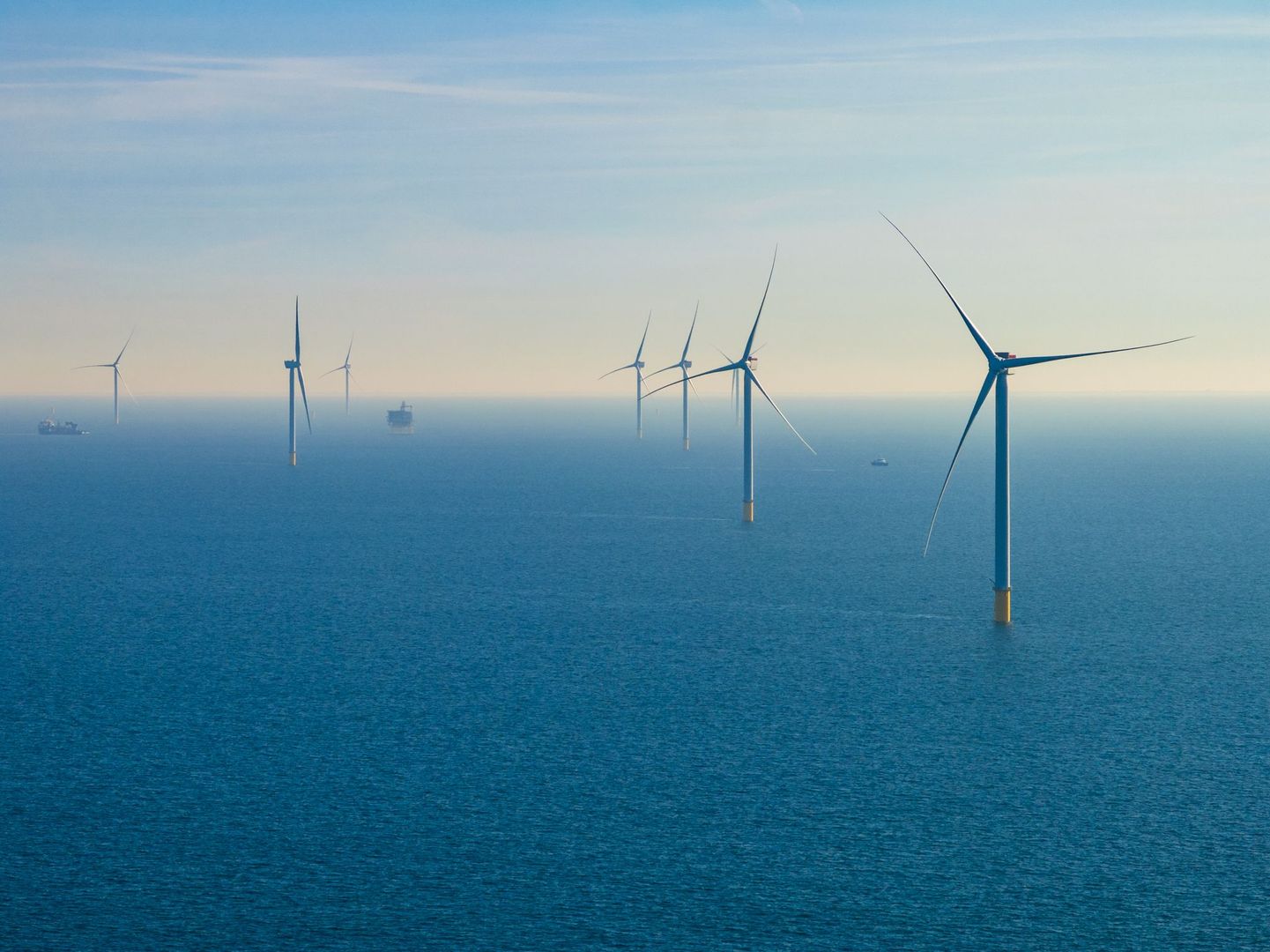
Twenty kilometers off the Dutch coast, 69 offshore wind turbines each with a capacity of 11 megawatts rotate in near-perfect synchrony. The wind is constant but often unpredictable, the offshore setting is harsh, but every part of the wind farm is carefully engineered. This is Hollandse Kust Noord, a 759 MW offshore wind farm owned and operated by CrossWind, a joint venture between Shell and Eneco – and one of the first in Europe to support grid stability through aFRR (automatic Frequency Restoration Reserve) using wind turbines. aFRR is a balancing service product that helps keep the electricity grid stable by adjusting power when frequency fluctuates due to an energy surplus or shortage.
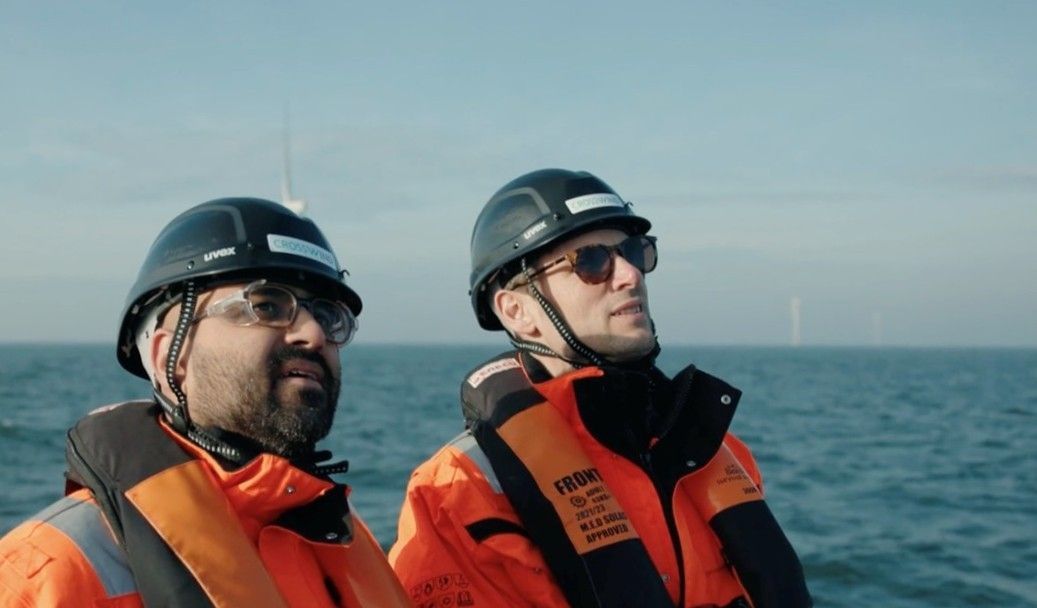
“From the start, we aimed to maximize the potential of this wind farm - technically, commercially, and in its contribution to society. Providing clean power is one thing; but providing power when it is needed the most and simultaneously being able to stabilise the grid when there are frequency deviations is another thing entirely and a responsibility we take seriously”, says Anil Kisoensingh, CEO of CrossWind. “That meant designing a highly automated, data-driven operation. Next Kraftwerke became part of the setup even before the turbines started turning. Their role as Balancing Responsible Party (BRP), short-term power trader, and VPP operator was instrumental in getting the project connected with the Dutch transmission system operator TenneT and compliant with all grid code requirements.”
Together with Next Kraftwerke and other third parties, CrossWind built a fully integrated setup that maximises the value creation across markets (day-ahead, intraday, imbalance, congestion management and aFRR) through a single platform. This type of cross-market optimisation not only optimizes the wind farm’s revenues but also delivers significant benefits for the energy system by providing active grid balancing and flexibility. The entire system is orchestrated via the Next Box, which connects the turbines to Next Kraftwerke’s control system, Nemocs, that translates TenneT’s aFRR and congestion management requests in combination with any commercial curtailment by Next Kraftwerke to one single signal, a so called power setpoint, that the park’s SCADA system distribute to the turbines.
“Every project has its challenges,” says Duco Hulscher, Commercial Manager at CrossWind, “but from the beginning we focused on getting the data architecture right. That meant ensuring consistent data flows and building strong communication between all partners. We spent a lot of time understanding not just what the data says, but what it really means for the physical behavior of the wind farm.”At the heart of aFRR delivery lies the Available Power Estimate (APE), calculated every four seconds based on wind conditions and operational data. This estimate is used to determine how much negative aFRR - essentially, the ability to reduce output on command to support the grid frequency in the whole country - the park can safely and reliably deliver. For wind, this is a balancing act between nature and obligation.
“Of course it intuitively feels strange to curtail clean wind power,” Anil notes, “but it’s necessary to stabilize the grid. And we’ve built a system that can do that with extreme precision — steep ramp rates, instant response, full control.” Every activation is monitored and analyzed to make sure the turbines respond as expected, without introducing any operational stress. From a market perspective, participating in aFRR has added real value. “This isn’t just about compliance or experimentation,” says Anil. “There’s true financial value in being able to provide this service. The wind farm is more valuable because of this and the revenues are already speaking for themselves.”
There are still hurdles. The current 24-hour duration of aFRR capacity bids is far from ideal for variable renewables like wind. “Offshore wind forecasting is never perfect,” Duco explains. “If the wind drops for a few seconds, you risk missing your availability for the entire day. That’s why we welcome the move toward 4-hour bid blocks — it will make the product much more compatible with renewables.” As the market evolves, so will the setup at Hollandse Kust Noord. “We’re constantly learning about the turbines,” Anil says. “There’s a lot of innovation still ahead — in power control, in optimizing blade positioning to deal with wind shadows, and in extending that all the way through to the commercial layer with Next Kraftwerke. Flexibility will only become more important.” Looking back, the key to success has been the depth of collaboration. “We built this together from the ground up,” Anil concludes. “Everyone was aligned — technically, commercially, and operationally. That’s how we made something this complex work.”
Facts & Figures
| Product: | Cross-Market-Trading including aFRR Balancing Energy |
| Capacity: | 759 MW |
| Link to partner website: | More about CrossWind |