KnowledgeEnergy TradingEnergy MarketEnergy ExchangeKnowledge
Emissions Trading

The European Union Emissions Trading Scheme, also known as ETS or EU-ETS, is an instrument for reducing greenhouse gas emissions at the lowest possible economic cost. Adopted by the European Parliament and the Council of the EU in 2003, it came into force on January 1, 2005. As of present in 2025, all EU countries plus Iceland, Liechtenstein and Norway are participating with more than 10,000 emissions-intensive plants from electricity production and CO2-intensive industries participate in European emissions trading. The ETS is also linked to Switzerland and the United Kingdom.

See more
KnowledgeEnergy TradingElectricity MarketEnergy ExchangeKnowledge
Contract for Difference

In the energy sector, a Contract for Difference (CfD) is a subsidy model for renewable energy. Under this model, the plant operator receives subsidies when market conditions result in particularly low revenue, but must also repay funds when high electricity prices lead to particularly high revenue. The idea behind this is that investors are guaranteed a minimum payment per kilowatt-hour generated, while revenues are capped to conserve funding. A two-way CfD is often referred to as a symmetric market premium.

At the end of 2026, the European Union’s state aid approval for Germany’s current renewable energy support system will expire. To date, plants have been subsidized with a sliding-scale market premium that guarantees operators a minimum return. According to EU regulations, by 2027 at the latest, electricity-price-linked subsidies must be replaced by Contracts for Difference (CfDs) or comparable schemes.

For this reason, the federal government is currently drafting an amendment to the Renewable Energy Sources Act (EEG). On the one hand, the changes are intended to maintain incentives for the expansion of renewable energy. On the other hand, they are intended to permanently prevent so-called windfall profits, such as those that occurred due to exorbitantly high electricity prices during the 2022/2023 energy crisis. The EU views CfDs as a way to promote renewable energy while simultaneously recouping revenue from plant operators whose earnings exceed a fixed cap. When market prices are high, the government can generate revenue through the cap and use it for the public good. At the same time, CfDs offer plant operators a high degree of investment security through a minimum payment (“floor”). 
See more
Energy BlogRenewable EnergyEnergy MarketEnergy TradingDigitizationFlexibility
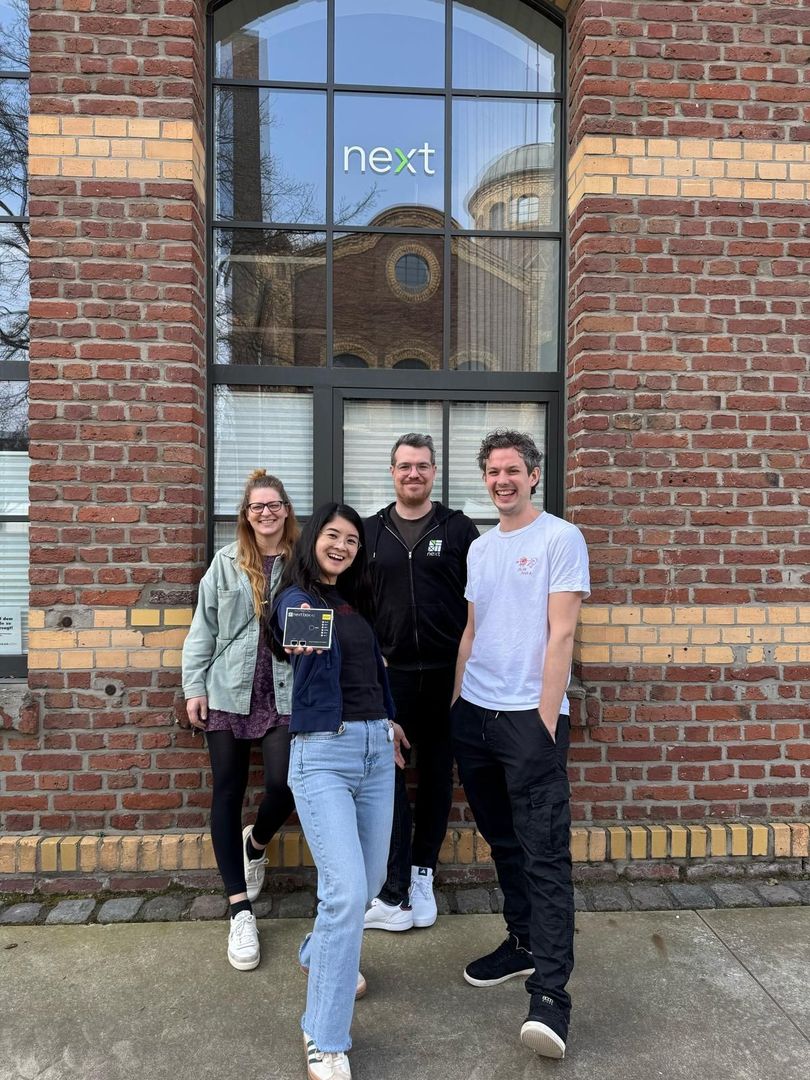
In-house Innovation: Our Journey to the New Next Box 4.0

Over the past three years, the product development team at Next has been hard at work. Now, the time has come to welcome a new piece of hardware: the Next Box 4.0 – a small yet smart tool that is set to become the new standard interface for our Virtual Power Plant. This new generation of the Next Box has been developed entirely in-house. But how did it all begin?  

See more
KnowledgeEnergy TradingMarket integrationElectricity MarketKnowledge
Intraday trading

Intraday power trading refers to continuous buying and selling of power at a power exchange that takes place on the same day as the power delivery. In Europe, the largest intraday power exchanges are the EPEX Spot (European Power Exchange Spot Market) in Paris and the Nord Pool. It can also take place in an OTC trade (over the counter), which means off-market contracts negotiated between power buyers and sellers. This is also known as the short-term wholesale power market, especially in contrast to long-term power trading on the power futures market.

See more
Energy BlogRenewable EnergyElectricity MarketControl ReserveEnergy Trading
Happy Birthday EEG! 25 Years - 25 Facts

On April 1st, 2000, the Renewable Energy Sources Act (EEG, Erneuerbare Energien Gesetz) came into effect, laying the foundation for the expansion of renewable energy in Germany. In our blog post, we trace the history of the EEG through 25 more or less well-known facts, thoughts, stories, and outlooks related to the EEG. 

See more
Energy BlogEnergy sectorEnergy TradingRenewable EnergyEnergy MarketEnergy policy
How does Next Kraftwerke trade the HKN wind power on short-term markets?

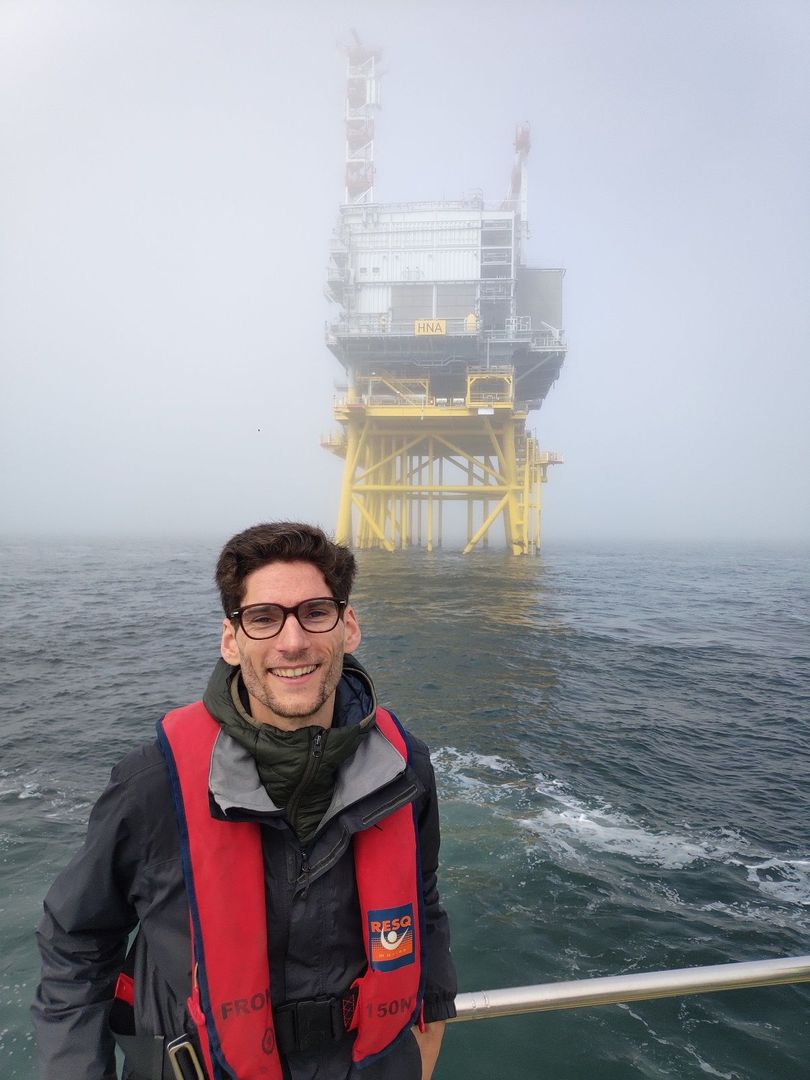
In June 2023, the first electricity from the Hollandse Kust Noord wind farm flowed into the Dutch power grid. Having commissioned the first turbines, Eneco and Shell started trading their share of green electricity. As a 100% Shell-owned company, Next Kraftwerke trades part of the produced volumes on the short-term markets – the day-ahead and intraday market. We had the opportunity to talk to Elias De Keyser, an energy expert at Next Kraftwerke and deeply involved in the HKN project, who told us about the electricity markets and the different market roles Next Kraftwerke fulfills.

See more
Energy BlogEnergy TradingPower marketRenewable EnergyElectricity MarketEnergy Transition
The Seven Potholes on the Road towards 100% Renewable Energy

For decades, the discourse around the energy transition was characterised by a simple "it can't be done". Those who - like us - formulated the goal of wanting to convert the entire energy landscape to renewable energies at conferences 10 years ago earned at best a weary smile. Today, the matter is no longer a question of "if", but only of "how" and above all "when". The technical possibilities are there - as is a social and industry-wide consensus on where the journey must go. For not only the advancing climate change, but also the energy crisis has shown us how problematic the dependence on fossil energy really is.

See more
Energy BlogEnergy sectorPower tradingFlexibilityEnergy TradingRenewable Energy
FlexAbility: How Battery Storage is Advancing the Energy Transition

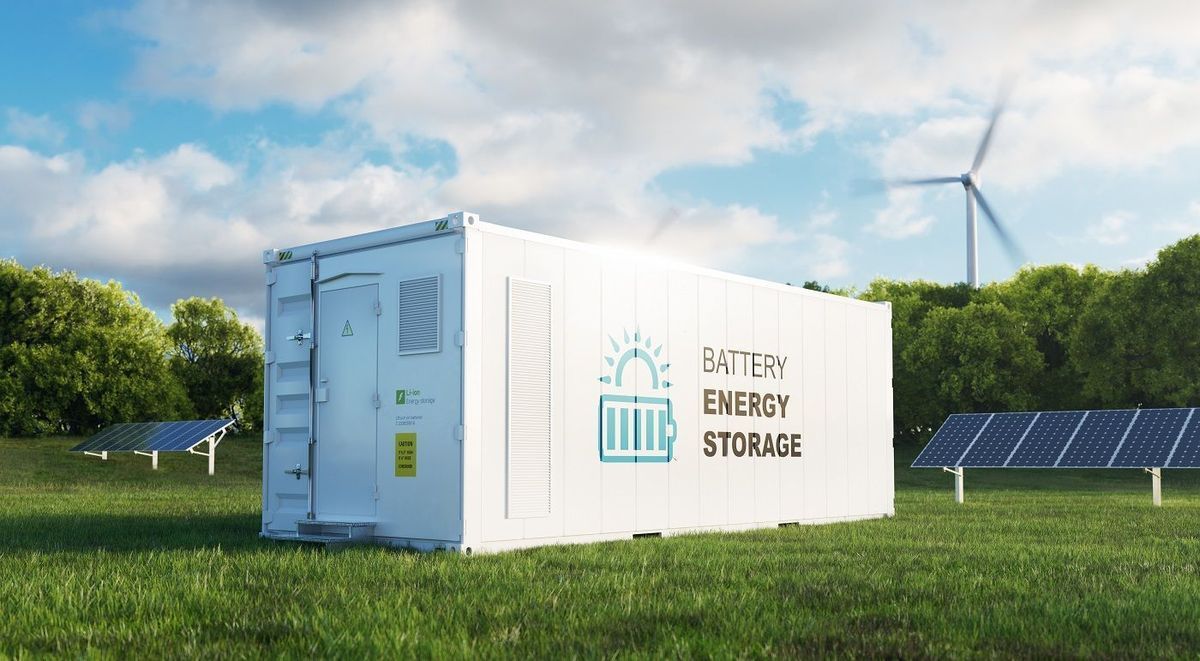
Regardless of the ever changing perspectives of the debate on the energy transition, i.e. whether the current talk of the town is about achieving full supply with 100% renewable energies as quickly as possible or about what to do when PV and wind don't generate enough electricity for a couple of days or even weeks, whether it is about the right path for shutting down conventional power generators or about ramping up renewable technologies: experience shows that sooner or later we always end up with the topic of flexibility options.

See more
energy trader next kraftwerke
Energy BlogEnergy policyEnergy sectorEnergy TradingRenewable EnergyEnergy Market
Trading for the Energy Transition – Insights into the Job of an Energy Trader

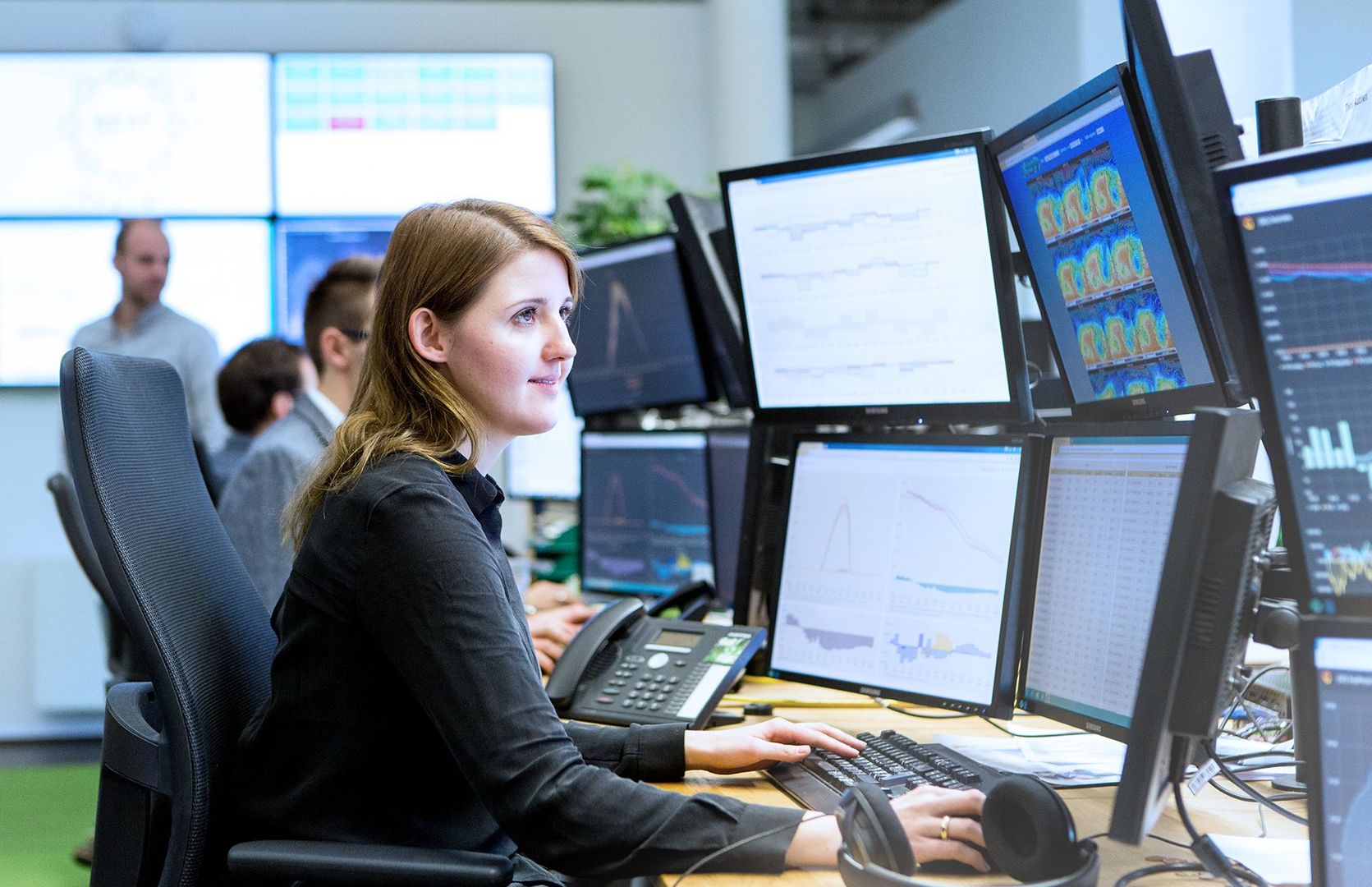
Visitors entering the trading floor of Next Kraftwerke perceive much more monitors than people. At least four, sometimes eight monitors are grouped around each workplace. Traders watch the activities on the screens with full concentration: energy market prices, load and generation profiles, market information, weather reports, and plant schedules. The job is to keep an eye on, prioritize and evaluate a wide range of information. The acquired knowledge largely determines the traders' activities on the European power exchanges.

See more
KnowledgeEnergy TradingMarket integrationRenewable EnergyEnergy MarketElectricity MarketKnowledge
Day-Ahead Trading of Electricity

Day-ahead trading of electricity refers to the buying and selling of electricity on the day before the actual production and delivery. Day-ahead trading either takes place on the spot market of the respective power exchange (often called day ahead market or day ahead auction) or through bilateral contracts between two parties - usually power trading companies - outside of the power exchange in over the counter (OTC) deals.

See more